
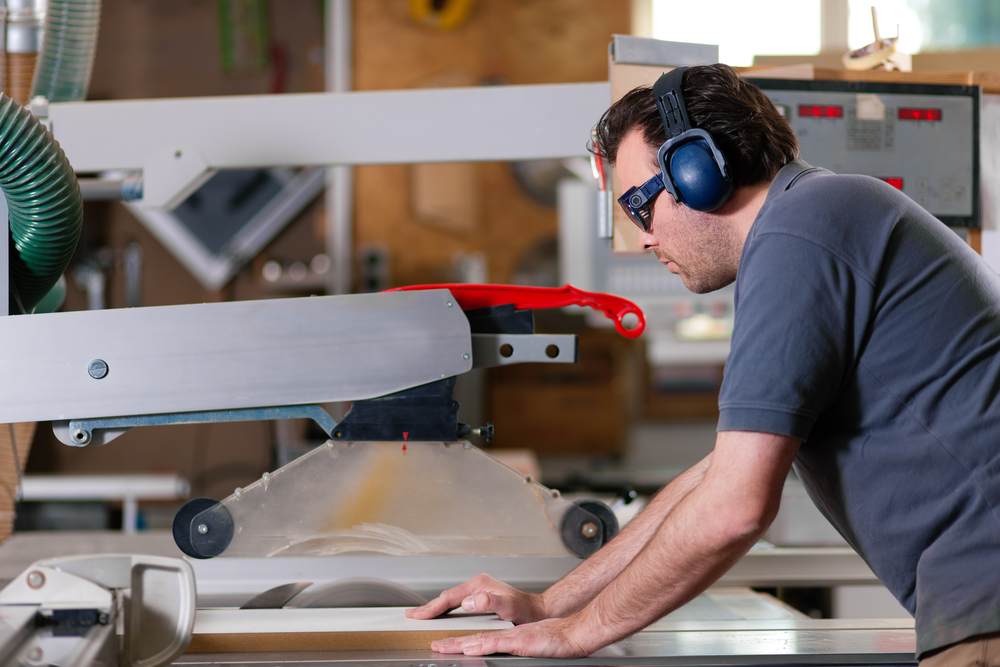
Prolonged exposure to loud noise can take a significant toll on your hearing health, chiefly in places where sound levels go above safe thresholds. It is critical to shield your ears, not only to avoid hearing damage, but also to help you concentrate in loud environments. So, how do you find the best level of hearing protection for your situation?
How noise levels influence your hearing
The damage caused by noise exposure is a function of both its volume and the duration spent in that environment. The primary measurement for assessing noise levels is dB, a unit used to express sound loudness. Once noise gets to a level of 85 dB or above, it poses a danger to your hearing, mainly if the exposure is prolonged.
For reference, 85 dB is equal to the noise level of city traffic experienced from inside a car. An eight-hour period of non-stop exposure can start to damage your hearing, even if the sound level doesn’t strike you as excessively loud. As the sound gets louder, the duration of time you can be exposed safely decreases:
- A sound level of 90 dB (e.g., a Lawnmower) can cause damage after 4 hours of exposure.
- 100 dB (Power tools): Limit exposure to 1 hour or less.
- Only 15 minutes of exposure to 110 dB (like a Leaf blower) is enough to cause harm.
- 120 dB (Rock concert): Any exposure at this level can damage your hearing.
- A sound level of 140 dB (Jet engine) can cause instant pain and damage.
Identifying unsafe noise levels
If you’re routinely exposed to noise levels of 85 dB or more, wearing hearing protection is vital. This is especially true in job sites like construction sites, manufacturing plants, or any location where machinery, devices, or gear produce high noise.
You can encounter unsafe noise levels even in recreational hobbies—such as attending shows, utilizing leaf blowers, or shooting sports—making hearing protection smart outside of a job setting.
Choosing protection with the aid of Noise Reduction Ratings (
Hearing protection performance is rated using the Noise Reduction Rating (the NRR) scale. The NRR value shows the level of sound blockage, expressed in decibels, that the device provides. Higher rating values offer greater protection. To give a practical example, a 30 dB NRR on earplugs would drop an 85 dB noise down to 55 dB, which is a sound level well under the unsafe limit.
When finding hearing protection, evaluate the specific noise levels you’re exposed to and verify your choice offers enough reduction to stay below the 85 dB limit.
Comfort matters: the basis to steady protection
The NRR is undoubtedly significant, but comfort is an equally significant component in achieving steady, long-term use. An ill-fitting or cumbersome protective device increases the inclination to remove it, which exposes your ears to dangerous noise.
When the protection is easy to wear, it promotes continuous use and minimizes the danger associated with removing it periodically. Imagine if, for example, your earmuffs are too heavy or ill-fitting, you could remove them now and then, leaving your ears exposed to dangerous noise.
What are the categories of hearing protection?
Hearing protection comes in several forms, each with its benefits and cons:
- Inside the ear canal, Foam Earplugs provide superb noise reduction. They are disposable and light, yet some individuals may find them uncomfortable.
- Being reusable and resting just outside the ear canal, Pre-Molded Earplugs are a more sustainable choice and are also easier to insert and remove than foam earplugs.
- Enclosing the whole ear, Earmuffs are perfect for settings where noise volume changes, as they can be easily removed and replaced. Their drawbacks include potentially feeling warm or heavy over a long period.
The best choice of protection is determined by your individual comfort and the specific requirements of your surroundings. An example is construction workers preferring earmuffs for their simple convenience, while factory workers may select earplugs for a continuous period of wear.
Making sure you wear it without fail
The most effective hearing protection is always the unit that you consistently keep in place. Interrupting the use, even for a short time, may have lasting consequences for your hearing. It is extremely necessary to identify a solution that strikes a balance between comfort, protection, and convenience for this reason.
Protect your hearing for the long haul
Noise is an unavoidable presence in our lives, but with the correct hearing protection, you can shield your ears while still managing to enjoy the sounds surrounding you.
Call us now to review your chances of hearing loss from noise and the best ways to protect your hearing.